


Yoga holds immense significance in India. It is not only a physical and spiritual practice but also a reflection of the country’s rich cultural and traditional heritage. Originating in ancient India, yoga has been practiced for centuries as a method to create balance and harmony between the body, mind, and soul. It highlights the true essence of self-awareness and self-realization, allowing individuals to connect with themselves on a deeper physical and spiritual level.
- What Is PCOS?
- Effective Yoga Asanas For PCOS
- 1. Kapalbhati Pranayam
- 2. Baddha Konasana (Butterfly Pose)
- 3. Chakki Chalanasana
- 4. Shavasana
- 5. Padma Sadhana
- 6. Setu Bandhasana
- Yoga Tips For Beginners!
- Final Note
- FAQs – Yoga for PCOS tryforhealth
- 1. Can yoga really help in managing PCOS symptoms?
- 2. Which yoga poses are considered effective for PCOS?
- 3. How often should yoga be practiced for PCOS?
- 4. Is yoga safe for beginners with PCOS?
- 5. Can yoga improve irregular periods caused by PCOS?
- 6. Is Kapalbhati good for PCOS-related weight gain?
- 7. Can women without PCOS practice these yoga poses?
Over time, yoga has expanded far beyond India and gained global recognition for its holistic health benefits. Because of its universal importance, the United Nations General Assembly unanimously declared June 21 as International Yoga Day, honoring yoga as a powerful and transformative wellness practice.
Many people are aware that yoga offers multiple benefits for both body and mind. However, fewer people know that yoga may also help in managing symptoms of conditions such as Polycystic Ovarian Syndrome (PCOS). Yes, certain yoga poses for PCOS can support women in coping with PCOS-related symptoms. In this article by TryForHealth, we will discuss some effective yoga poses for PCOS, their benefits, and a few important precautionary tips.
So, let’s begin. But before exploring the yoga poses, it is essential to understand the condition itself—PCOS.
What Is PCOS?
PCOS stands for Polycystic Ovarian Syndrome, a hormonal disorder that affects the ovaries in women and leads to the development of cyst-like follicles. This condition can cause anovulation, which means the egg fails to release from the ovary during the menstrual cycle, resulting in irregular or disrupted periods.
PCOS may also cause symptoms such as:
- Skin issues like oily or acne-prone skin
- Excess hair growth on the chest, thighs, stomach, or face
- Infertility
- Hair thinning or scalp hair loss
- Unusual or sudden weight gain
In addition to physical symptoms, PCOS is linked to psychological concerns such as anxiety, depression, and sleep disorders including sleep apnea. Women with PCOS may also face a higher risk of other health conditions such as cardiovascular diseases, diabetes, high cholesterol levels, glucose intolerance, metabolic disorders, and infertility.
According to research, approximately 1 in every 10 women, or about 4–20% of women of reproductive age, are affected by Polycystic Ovarian Syndrome.
Now that we have a clear understanding of PCOS and its symptoms, let us explore some effective yoga poses for women who have PCOS or may be at risk of developing it.
Effective Yoga Asanas For PCOS
Yoga poses for PCOS include a variety of asanas that focus on improving metabolism, reducing stress, supporting hormonal balance, and enhancing overall reproductive health. Below are some yoga poses that may be particularly beneficial for managing PCOS symptoms.
1. Kapalbhati Pranayam
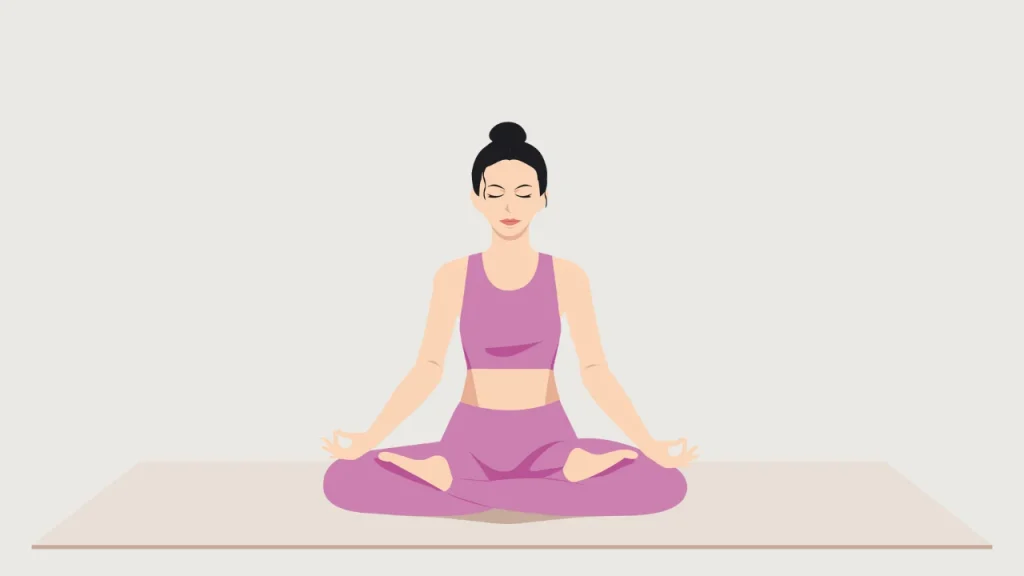
Kapalbhati is a simple yet powerful yoga technique that can be performed by most individuals and is considered an important cleansing practice. The term “Kapalbhati” comes from two Sanskrit words: Kapal, meaning skull, and Bhati, meaning illuminating.
Let’s look at how Kapalbhati can be performed:
- Sit comfortably with your spine erect and place your hands on your knees with palms facing upward.
- Take a deep inhalation.
- As you exhale, pull your navel toward your spine and feel the contraction of your abdominal muscles.
- Repeat this forceful exhalation comfortably.
- Complete 20 breaths to finish one round.
- After each round, close your eyes, relax, and observe the sensations in your body.
- It is generally recommended to practice up to three rounds of Kapalbhati.
Benefits of Kapalbhati
- Helps increase metabolic activity
- Supports better lung function
- Improves digestion
- Enhances blood circulation
- May help reduce oxidative stress in the body
2. Baddha Konasana (Butterfly Pose)
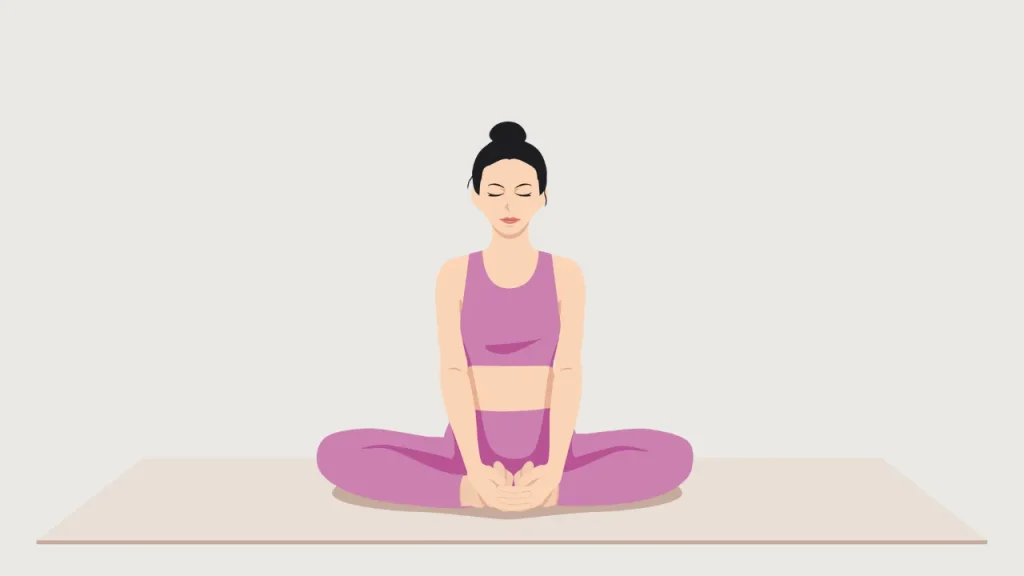
Baddha Konasana is derived from the Sanskrit words Baddha meaning bound, Kona meaning angle, and Asana meaning pose. This asana is commonly known as the Butterfly Pose.
Steps to perform the Butterfly Pose include:
- Sit upright on the floor with your legs stretched forward and hands placed beside you.
- Keep your spine and neck straight.
- Slowly bend both knees and bring your feet toward your body.
- Allow the soles of your feet to touch each other while keeping them close to your pelvis.
- Hold the position for a few seconds while breathing normally.
- Slowly stretch your legs back to the starting position while exhaling.
Benefits of Baddha Konasana
- Improves mobility of the hip and groin muscles
- Supports digestion and bowel movement
- Reduces fatigue caused by prolonged standing or walking
- Enhances posture and concentration
- May help relieve menstrual discomfort
3. Chakki Chalanasana
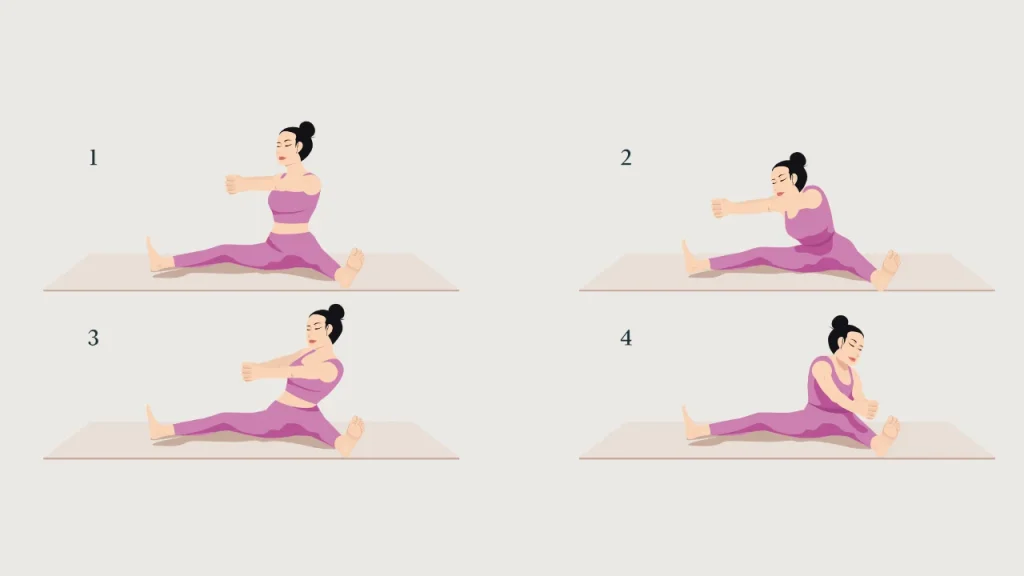
Chakki Chalanasana gets its name from the motion of a traditional hand-operated flour mill, known as a chakki.
To perform this yoga asana for PCOS:
- Sit on the floor with your legs spread wide apart.
- Clasp your hands together and extend your arms forward at shoulder level.
- Inhale deeply and lean forward while moving your upper body to the right in a circular motion.
- Exhale as you move your upper body backward and toward the left.
- Continue breathing deeply and perform 5–10 circular rounds in each direction.
Benefits of Chakki Chalanasana
- Helps prevent sciatic nerve pain
- Strengthens arms, back, and abdominal muscles
- May help reduce menstrual discomfort
- Regular practice may assist in reducing abdominal fat
4. Shavasana
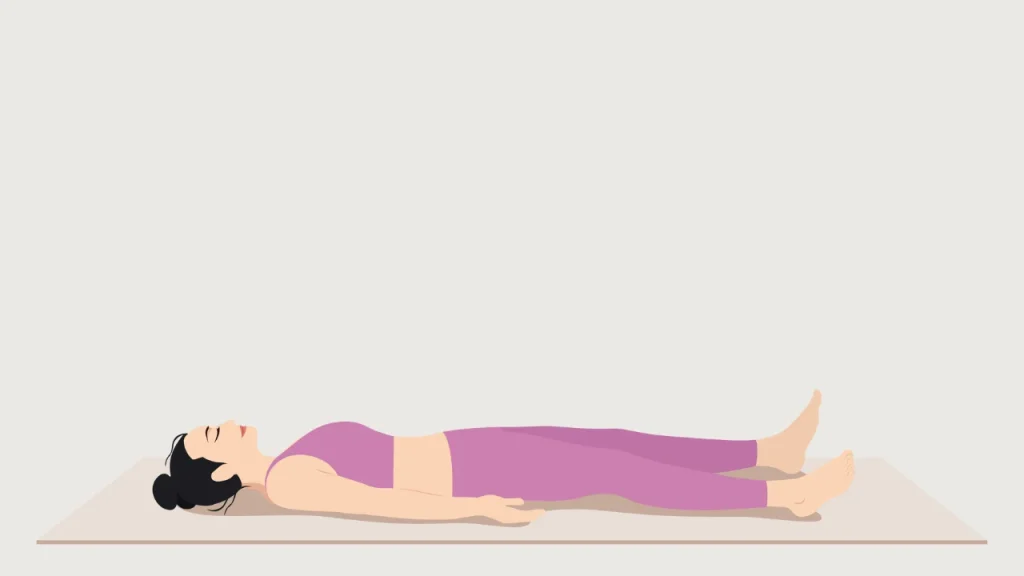
Shavasana is derived from the Sanskrit word Shava, meaning dead body. This pose resembles the relaxed position of the human body at rest and is usually practiced at the end of a yoga session for deep relaxation.
Steps to perform Shavasana include:
- Lie flat on your back without using cushions, unless necessary for comfort.
- Keep your legs slightly apart and allow your feet and knees to relax naturally.
- Place your arms beside your body with palms facing upward.
- Close your eyes and focus on relaxing your entire body while maintaining awareness.
- Try not to fall asleep during the practice.
Benefits of Shavasana
- Helps reduce stress
- May ease anxiety and insomnia
5. Padma Sadhana
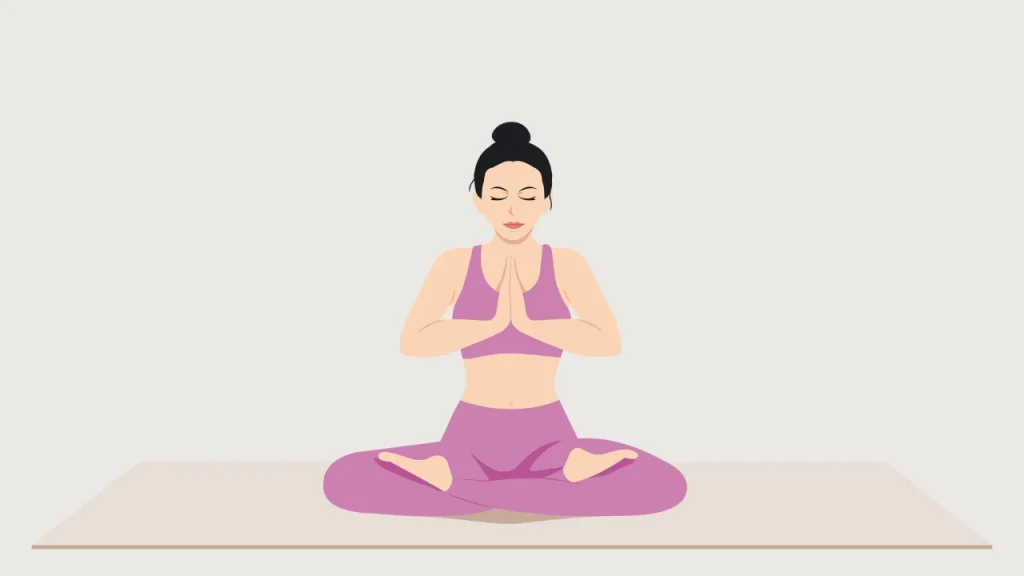
Padma Sadhana, also known as Padmasana, is a deep meditation posture. The term Padma means lotus in Sanskrit.
Steps to perform Padmasana:
- Bend your right leg and place the heel on the left thigh.
- Place the left heel on the right thigh with soles facing upward.
- Allow the knees to rest close to the floor as comfortably as possible.
- Sit upright with your head, neck, and spine aligned.
- Place your hands in a namaste position or rest them on your lap.
- Focus on your breathing and meditate, switching legs if needed.
Benefits of Padmasana
- May help relieve sciatic pain
- Helps reduce menstrual discomfort
6. Setu Bandhasana
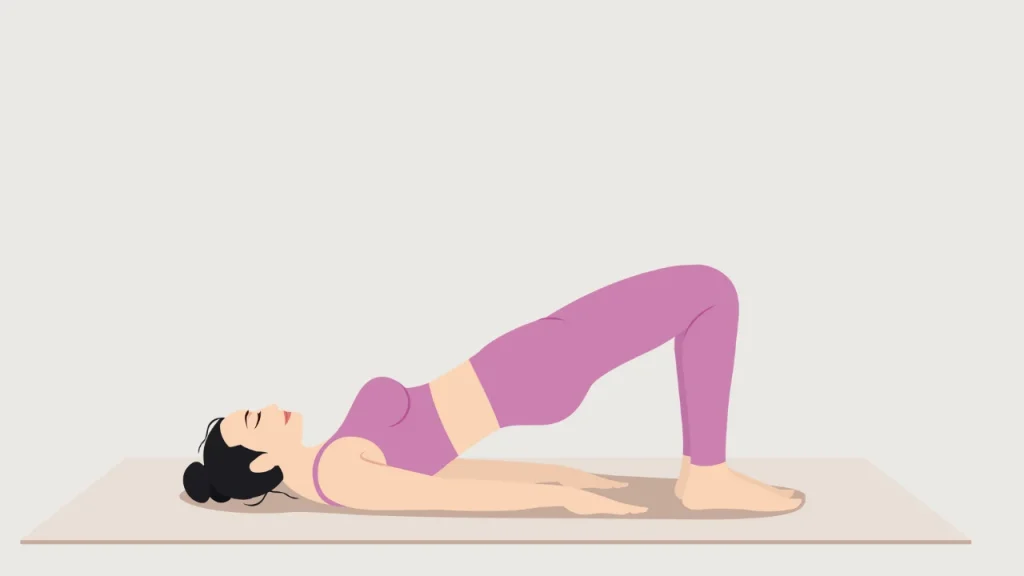
Setu Bandhasana comes from Sanskrit, where Setu means bridge, Bandha means lock, and Asana means pose. It is commonly known as the Bridge Pose.
Steps to perform Setu Bandhasana:
- Lie on your back and bend your knees with feet flat on the floor.
- Keep your feet aligned with your ankles and close to your hips.
- Place your arms beside your body with palms facing downward.
- Inhale and slowly lift your pelvis, lower back, and chest upward.
- Hold the pose for 10–15 seconds while breathing steadily.
- Slowly lower your body and relax before repeating.
Benefits of Setu Bandhasana
- Helps stretch the entire body
- Supports digestion
- Helps reduce stress
- Tones abdominal and glute muscles
Yoga Tips For Beginners!
If you are new to yoga, keep these tips in mind for a safer and more comfortable experience:
- Choose a convenient time and quiet place
- Practice yoga on an empty or light stomach
- Wear comfortable clothing
- Perform light warm-up or stretching beforehand
- Listen to your body and avoid overexertion
- Stay consistent and patient
- Enjoy the process
Final Note
Now that we have explored six yoga poses for PCOS, are you ready to try them? These yoga asanas may also be practiced by women who do not have PCOS but are at risk of developing it, as they support overall physical and mental well-being. With regular practice, yoga can become a valuable part of a healthy lifestyle.
FAQs – Yoga for PCOS tryforhealth
1. Can yoga really help in managing PCOS symptoms?
Yoga may help support the management of PCOS symptoms by reducing stress, improving hormonal balance, and enhancing overall metabolism. While yoga is not a medical treatment, regular practice can positively impact physical and mental well-being in women with PCOS.
2. Which yoga poses are considered effective for PCOS?
Some commonly recommended yoga poses for PCOS include Kapalbhati Pranayama, Baddha Konasana (Butterfly Pose), Chakki Chalanasana, Shavasana, Padmasana, and Setu Bandhasana. These poses focus on improving digestion, reducing stress, and supporting reproductive health.
3. How often should yoga be practiced for PCOS?
For general wellness and PCOS support, yoga can be practiced daily or at least 4–5 times a week. Consistency is more important than intensity, and beginners should start slowly and gradually build a routine.
4. Is yoga safe for beginners with PCOS?
Yes, yoga is generally safe for beginners when practiced mindfully. It is advisable to start with gentle poses, listen to your body, and avoid overexertion. Consulting a qualified yoga instructor or healthcare professional is recommended if you have specific health concerns.
5. Can yoga improve irregular periods caused by PCOS?
Yoga may help regulate stress hormones and improve overall hormonal balance, which can indirectly support menstrual regularity. However, results vary from person to person, and yoga should be considered a supportive lifestyle practice rather than a cure.
6. Is Kapalbhati good for PCOS-related weight gain?
Kapalbhati Pranayama may help boost metabolism and support digestion, which can be beneficial for managing weight. It should be practiced correctly and avoided during pregnancy or certain medical conditions unless guided by a professional.
7. Can women without PCOS practice these yoga poses?
Yes, these yoga poses can also be practiced by women who do not have PCOS. They promote overall health, reduce stress, improve flexibility, and support general hormonal well-being.