



- What Is Migraine?
- Common Migraine Symptoms
- 1. Strong Head Pain
- 2. Sensitivity to Light
- 3. Sensitivity to Sound
- 4. Nausea or Dizziness
- 5. Tiredness and Weakness
- 6. Not Seeing Clearly
- 1. Stress
- 2. Lack of Sleep
- 3. Dehydration
- 4. Too Much Screen Time
- 5. Skipping Meals
- 6. Bright Light and Loud Noise
- Easy Home Relief Tips for Migraine
- 1. Rest in a Quiet Room
- 2. Drink Enough Water
- 3. Take Proper Sleep
- 4. Reduce Screen Time
- 5. Eat Meals on Time
- 6. Manage Stress
- When to See a Doctor
- Frequently Asked Questions (FAQ)
- 1. Are there any early signs before the migraine starts?
- 2. Can specific foods act as migraine triggers?
- 3. Does weather change lead to a migraine attack?
- Conclusion
Migraine is not just a normal headache. It can cause strong pain, tiredness, nausea, and discomfort that may affect daily life. Many people experience migraine headaches because of stress, lack of sleep, dehydration, or too much screen time.
Migraine pain can make simple daily activities difficult. Some people feel pain on one side of the head, while others may feel pressure around the forehead or eyes.
Understanding migraine symptoms early and following healthy habits may help reduce discomfort and support better daily health.
What Is Migraine?
Migraine is a type of headache that can cause strong pain and discomfort. It may affect one side of the head or sometimes the whole head.
Some people get migraine only sometimes, while others may experience it more often. Migraine can make daily activities difficult because bright light, loud sound, or stress may increase the pain.
Common Migraine Symptoms
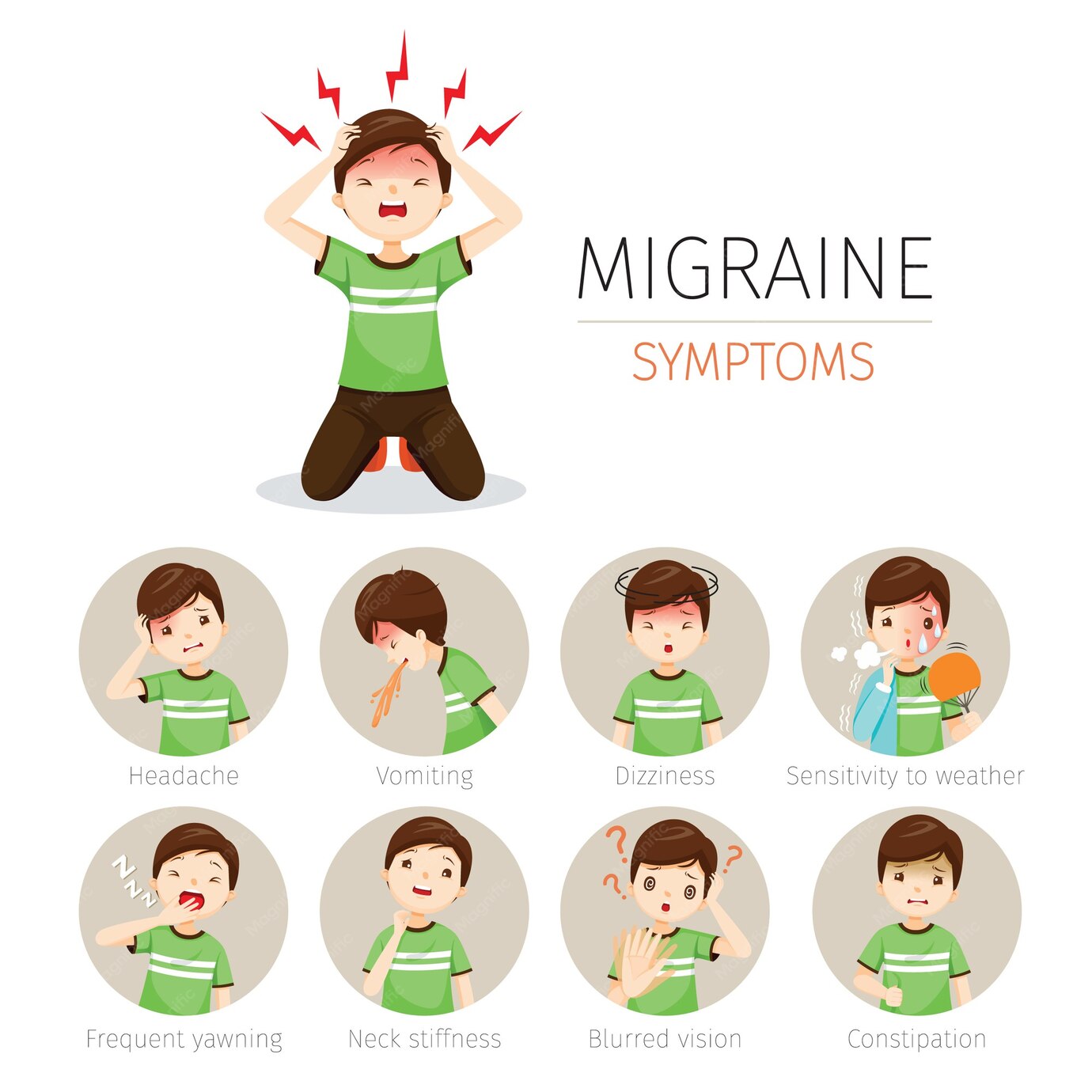
Migraine symptoms can be different for each person. Some people may experience mild discomfort, while others may have strong migraine headache pain that affects daily life. In many cases, migraine symptoms start slowly and become more painful with time.
A migraine headache can make simple activities difficult. Some people may find it hard to work, study, use a mobile phone, or stay in bright places for a long time. During a migraine attack, people may also feel tired, dizzy, or uncomfortable.
Below are some common migraine symptoms that many people experience:
1. Strong Head Pain
It often feels like someone is hitting or pulsing inside the head. This heavy pressure can be on just one side or around the eyes.
2. Sensitivity to Light
Bright lights can be very painful. Most people feel better by sitting in a dark room because even small lights can hurt the eyes.
3. Sensitivity to Sound
Loud noises can make the head hurt more. Finding a quiet and peaceful place helps the mind feel calm.
4. Nausea or Dizziness
Some people feel like throwing up (vomiting) or feel unsteady on their feet. This makes it very hard to walk or do any work.
5. Tiredness and Weakness
After the pain stops, the body often feels very tired. You might feel like you have no energy left to do anything.
6. Not Seeing Clearly
Sometimes, everything looks blurry or fuzzy. It can be hard to read a book or look at a mobile phone screen.
If migraine symptoms happen often or become very severe, it is important to consult a healthcare professional for proper advice.
What Causes It?
Many things can start this painful feeling in different people. Some daily habits can be the reason behind your head pain. Knowing these common triggers can help you feel better and stay healthy.
1. Stress
Mental pressure and overthinking are big reasons for a heavy head. When you are too tired or worried, it can make the pain worse.
2. Lack of Sleep
Not getting enough sleep may cause migraine symptoms. Poor sleep can make the body feel tired and uncomfortable.
3. Dehydration
If you forget to drink water during the day, your head may start to hurt. Staying hydrated is very important for your brain.
4. Too Much Screen Time
Using mobile phones or laptops for many hours can hurt your eyes. This eye strain often leads to a painful attack.
5. Skipping Meals
If you do not eat on time or skip your lunch, your body loses energy. This can trigger a bad headache in many people.
6. Bright Light and Loud Noise
Very strong lights or loud sounds can be very uncomfortable. They can make a mild pain feel much stronger.
Easy Home Relief Tips for Migraine
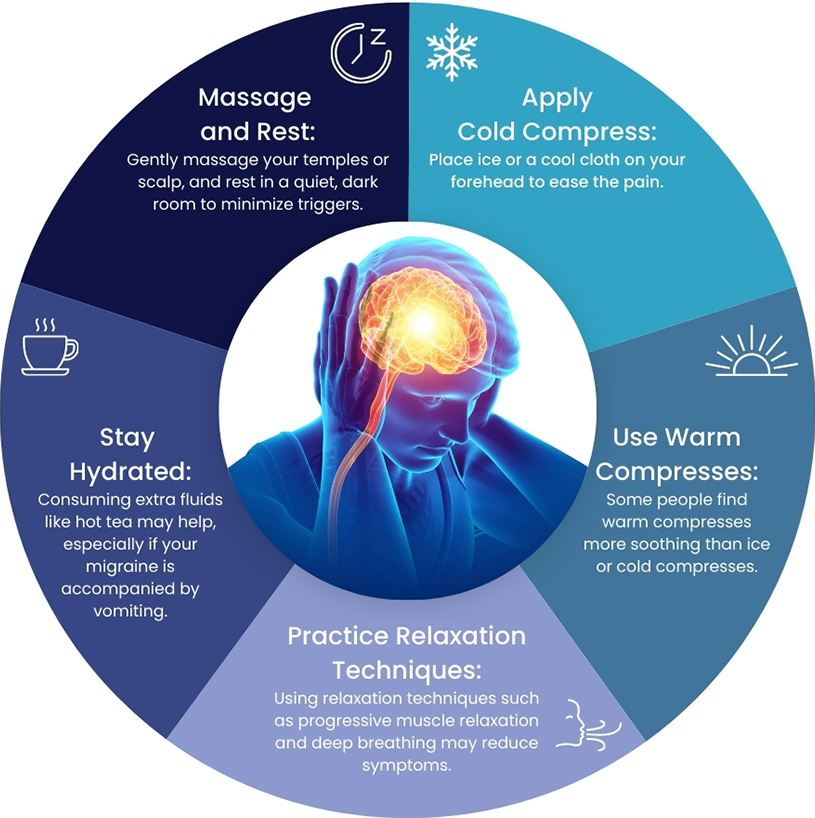
Some healthy habits and simple lifestyle changes may help reduce migraine discomfort and support better daily health.
1. Rest in a Quiet Room
Resting in a dark and quiet room may help reduce discomfort during a migraine headache.
2. Drink Enough Water
Staying hydrated is important because dehydration may trigger migraine symptoms in some people.
3. Take Proper Sleep
Getting enough sleep every day may help the body feel relaxed and healthy.
4. Reduce Screen Time
Taking short breaks from mobile phones and laptops may help reduce eye strain and headache discomfort.
5. Eat Meals on Time
Skipping meals may increase migraine discomfort for some people. Healthy meals at the right time are important.
6. Manage Stress
Deep breathing, light exercise, and relaxation may help lower stress levels. A healthy morning routine and daily physical activity may also support better overall health.
When to See a Doctor
If headache pain happens very often or becomes difficult to manage, it is best to talk to a doctor. Medical advice is also important if a person feels weakness, trouble seeing clearly, or feels unwell for a long time.
Frequently Asked Questions (FAQ)
1. Are there any early signs before the migraine starts?
Yes, some people notice warning signs before the pain begins. These are called an “aura.” You might see small flashes of light, feel dizzy, or have a tingling feeling in your arms. Noticing these early migraine symptoms can help you start resting sooner to feel better.
2. Can specific foods act as migraine triggers?
Yes, certain foods can definitely start an attack. Common items like aged cheese, chocolates, and very salty snacks are known to be triggers for many people. Everyone is different, so keeping a food diary can help you find out which specific foods might be causing your migraine symptoms.
3. Does weather change lead to a migraine attack?
Yes, sudden changes in the weather can be a reason for head pain. Many people find that extreme heat, very high humidity, or sudden storms can lead to a migraine attack. Staying in a cool, comfortable place and keeping yourself calm can help you manage these weather-related symptoms more effectively.
Conclusion
Migraine can affect both physical comfort and daily routine. Understanding common migraine symptoms and triggers may help people manage discomfort more effectively.
Simple habits like proper sleep, hydration, stress management, and reducing screen time may support better daily health and help lower migraine discomfort.
If symptoms become severe or frequent, it is important to seek professional medical advice.
For more information about migraine and headache disorders, visit the official WHO headache disorders page