


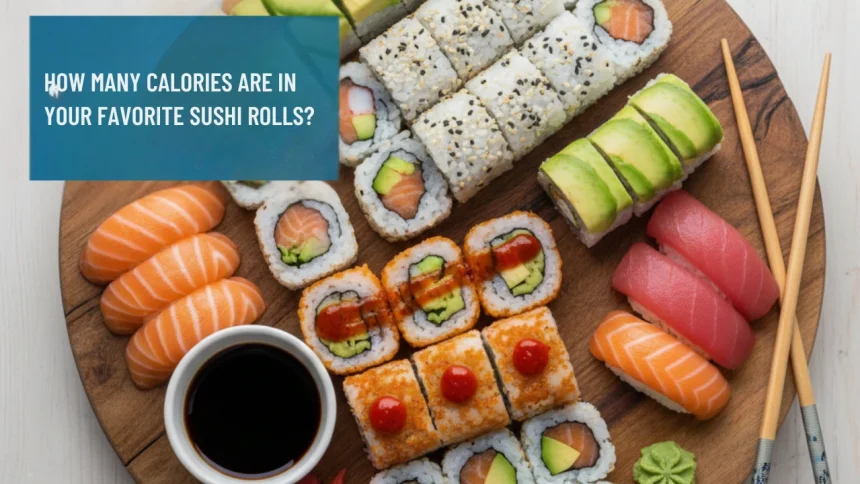
How many calories are in sushi?
On average, 2 to 3 pieces of sushi (around 100 grams) provide 93 to 190 calories, though the exact number depends on the ingredients, cooking method, and sauces used. While sushi is often seen as a light and healthy meal, some rolls can contain more calories and sodium than many people expect.
Sushi is a traditional Japanese dish that has become popular worldwide, especially in the United States. It is typically served in roll form, with each roll containing six to eight pieces made from rice, seafood, vegetables, and dried seaweed known as nori.
TryForHealth, we aim to provide clear, evidence-based nutrition information to help readers understand how many calories are in sushi rolls and make informed food choices.
Although sushi rolls are small and visually light, they can vary widely in nutritional value. Understanding how many calories are in sushi rolls can help you choose options that align better with your health and dietary goals.
Popular sushi rolls
California rolls
The California roll is one of the most commonly ordered sushi rolls. It is usually prepared with cucumber, avocado, and cooked imitation crab wrapped in nori seaweed and rice. Imitation crab, also known as surimi, is made from pollock, a fish that is naturally low in mercury.
Because the seafood in this roll is fully cooked, the California roll is often considered a safer option for pregnant individuals and for people who are hesitant to eat raw fish. Despite its mild flavor and simple ingredients, the calorie content mainly comes from rice and sodium-rich seasonings.
Two to three pieces of a California roll, or about 100 grams, typically provide around 93 calories, with moderate carbohydrates and relatively low fat.
Spicy tuna and spicy salmon rolls
Spicy tuna and spicy salmon rolls are made with vinegared white rice, avocado, cucumber, sesame seeds, and a spicy chili-based sauce. These rolls usually contain raw tuna or raw salmon, which are commonly referred to as sashimi-grade fish.
The addition of spicy sauce increases both calorie and fat content compared to simpler rolls. Spicy tuna rolls generally contain about 175 calories per 100 grams, while spicy salmon rolls can reach 190 calories for the same portion size.
These rolls also tend to contain more sodium due to sauces, making portion control important for individuals monitoring salt intake.
Shrimp tempura roll
The shrimp tempura roll is prepared using shrimp that has been lightly battered and deep-fried before being rolled with rice and seaweed. It is often served with a sweet tempura sauce made from soy sauce, sugar, and mirin.
Because the shrimp is fried, this roll is higher in calories and fat compared to rolls made with raw or steamed seafood. A 100-gram portion of shrimp tempura roll typically contains around 175 calories, making it less suitable for low-calorie diets when eaten frequently.
Avocado roll
The avocado roll is a vegetarian sushi option made with avocado, sesame seeds, wasabi, and pickled ginger. While it contains no fish, it is not calorie-free, as avocado is rich in healthy fats.
A serving of avocado roll usually contains about 140 calories per 100 grams. Although it is higher in carbohydrates due to rice, it can still be a nutritious option when consumed in moderation.
Rainbow roll
The rainbow roll combines imitation crab with several types of raw fish such as tuna, salmon, shrimp, or tilapia. It also includes avocado, cucumber, sesame seeds, and mayonnaise.
This roll is visually appealing and offers a higher protein content than many basic rolls. On average, two to three pieces of a rainbow roll contain approximately 146 calories per 100 grams, though the exact count can vary based on toppings and sauces.
Philadelphia roll
The Philadelphia roll is made with smoked salmon, cream cheese, cucumber, dill, and sesame seeds. The inclusion of cream cheese significantly increases both fat and calorie content.
A typical 100-gram portion of Philadelphia roll provides around 170 calories, making it one of the richer sushi roll options.
Salmon avocado roll
The salmon avocado roll combines raw salmon with mashed avocado, rice, sushi vinegar, lettuce, and seaweed. This roll provides a balance of protein and healthy fats but also contains a higher amount of carbohydrates from rice.
A 100-gram serving usually contains about 179 calories, making it moderately high in energy compared to simpler rolls.
Dragon roll
Dragon rolls vary widely depending on the recipe but often include eel, tempura shrimp, imitation crab, avocado, mayonnaise, and sweet unagi sauce. Packaged versions may differ significantly from restaurant-made sushi.
On average, 100 grams of dragon roll sushi may contain around 175 calories, though fat and sodium levels can be higher due to sauces.
Cucumber roll
Despite its name, cucumber rolls may also include tuna, imitation crab, avocado, and specialty sauces such as chili sauce or ponzu. These additions influence calorie content.
A 100-gram portion generally contains about 78 calories, making it one of the lower-calorie sushi options.
Spider roll
The spider roll is made with tempura-fried soft-shell crab, spicy mayonnaise, rice, and nori. Because it is fried and contains creamy sauce, it is one of the highest-calorie sushi rolls.
A half roll, approximately 100 grams, can contain around 214 calories, along with higher fat content.
Sashimi and nigiri
Sashimi
Sashimi consists of thinly sliced raw fish served without rice. Since it contains no rice or added fats, it is one of the lowest-calorie sushi options available.
For example, 100 grams of salmon sashimi provides roughly 127 calories, with high protein content and virtually no carbohydrates.
Nigiri
Nigiri is prepared by placing a slice of raw or cooked fish over a small mound of rice, often with a touch of wasabi in between. It contains more calories than sashimi but less than most sushi rolls.
A 100-gram serving of tuna nigiri, typically two pieces, contains about 117 calories, making it a balanced option for those seeking moderation.
Ways to make sushi healthier
Traditional Japanese sushi uses minimal ingredients and is generally lower in calories. However, many Western-style adaptations contain sauces and fried components that increase calorie and sodium levels. Choosing simpler rolls, limiting soy sauce, and opting for sashimi or nigiri can help keep sushi meals more nutritious.
The bottom line
Sushi can be both enjoyable and nutritious, but calorie content varies widely. Per 100 grams, which usually equals two to three pieces, sushi calories range from 93 to 190, with fried and sauce-heavy rolls falling on the higher end.
In addition to calories, paying attention to sodium intake is important, especially for individuals with blood pressure concerns.
This nutrition guide is brought to you by tryforhealth, where we focus on practical, science-backed health content for everyday decisions.
FAQs: Sushi Calories
How many calories are in sushi rolls?
Most sushi rolls contain between 93 and 190 calories per 100 grams, depending on ingredients and preparation.
Is sushi good for weight loss?
Sushi can support weight loss when choosing sashimi, nigiri, or simple rolls without fried toppings or creamy sauces.
Which sushi has the lowest calories?
Sashimi and nigiri are among the lowest-calorie sushi options because they contain little or no rice.
Is sushi high in sodium?
Sushi can be high in sodium, especially when served with soy sauce. Using less sauce can significantly reduce sodium intake.Are vegetarian sushi rolls healthy?
Vegetarian rolls like avocado or cucumber rolls can be healthy, but portion size still matters due to rice and sodium content.