

Tingling teeth—often described as a light electric shock, pins-and-needles sensation, or a ticklish feeling—can be uncomfortable and concerning. While occasional sensitivity is quite common, frequent or persistent tingling may indicate underlying dental issues.
Understanding the real cause behind teeth tingling helps you prevent further damage and choose the right treatment before the problem worsens.
- What Does Teeth Tingling Mean?
- Common Causes of Teeth Tingling
- 1. Tooth Sensitivity (Dentin Hypersensitivity)
- 2. Tingling Teeth Due to Enamel Erosion
- 3. Tooth Pulp Inflammation (Pulpitis)
- 4. Gum Recession
- 5. Teeth Grinding or Jaw Clenching
- 6. Acid Reflux or GERD
- 7. Cavities and Tooth Decay
- Symptoms That Accompany Teeth Tingling
- Teeth Tingling Treatment Options
- 1. Desensitizing Toothpaste
- 2. Fluoride Treatment
- 3. Treating Tooth Pulp Inflammation
- 4. Gum Treatment
- 5. Bite Guards for Grinding
- 6. Dietary and Lifestyle Modifications
- Home Remedies for Temporary Relief
- How TryForHealth Helps With Teeth Tingling Resources
- When to See a Doctor or Dentist
- Conclusion
- FAQs about teeth tingling
TryForHealth, we often receive questions about tingling or sensitive teeth, especially when the sensation becomes constant. This article explains everything you need to know—from causes to prevention.
What Does Teeth Tingling Mean?
Teeth tingling refers to a mild, buzzing, ticklish, or vibrating sensation in the teeth. It usually happens when the nerves inside the teeth become exposed or irritated.
This sensation occurs because the enamel (the protective layer) becomes thin, or the gums recede, exposing the inner dentin—which contains thousands of tiny nerve-connected channels.
When these nerves become reactive, even mild triggers like cold air, sugar, or brushing can cause tingling.
Common Causes of Teeth Tingling
Teeth tingling has several possible causes. Identifying the right one is crucial for proper treatment.
1. Tooth Sensitivity (Dentin Hypersensitivity)
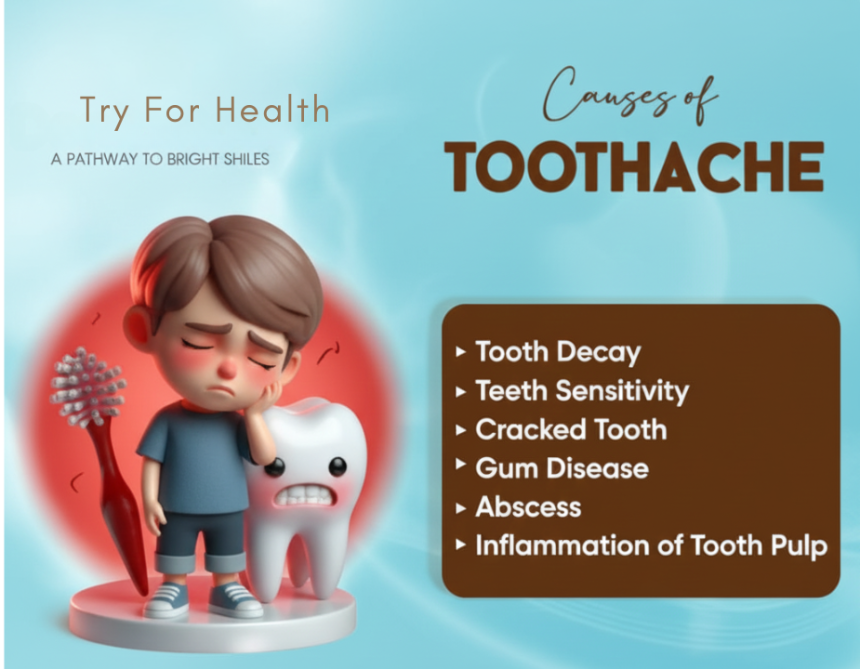
This is the most common cause. When enamel wears down or gums recede, the dentin becomes exposed, making the tooth sensitive to:
- Hot or cold food
- Sweet or acidic drinks
- Brushing
- Cold air
- Whitening toothpaste or strips
Tooth sensitivity is usually the first sign of enamel erosion.
2. Tingling Teeth Due to Enamel Erosion
Enamel can wear down due to:
- Acidic foods (lemon, soda, vinegar)
- Tooth grinding (bruxism)
- Hard brushing
- Aging
- Poor oral hygiene
Once enamel erodes, the tooth becomes more reactive and tingles frequently.
3. Tooth Pulp Inflammation (Pulpitis)
If the inner pulp gets inflamed due to:
- Deep cavities
- Injury
- Cracks in the tooth
- Bacterial infection
…it can cause continuous tingling or a light electric sensation.
Untreated pulpitis may eventually lead to severe nerve pain or even root canal treatment.
4. Gum Recession
When gums recede, the roots become exposed.
Unlike enamel-covered surfaces, roots are extremely sensitive, causing:
- Tingling
- Sharp sensitivity
- Mild pain while brushing
Recession is commonly caused by gum disease or aggressive brushing.
5. Teeth Grinding or Jaw Clenching
Bruxism weakens enamel, strains nerves, and creates tingling sensations especially in:
- Front teeth
- Bottom teeth
- Molars
This sensation often appears in the morning after waking up.
6. Acid Reflux or GERD
Stomach acid repeatedly entering the mouth dissolves enamel gradually.
People with chronic acidity often experience tingling and sensitivity.
7. Cavities and Tooth Decay
In the early stage of decay, cavities may cause:
- Mild tingling
- Slight discomfort
- Intermittent sensitivity
Early treatment can prevent nerve involvement.
Symptoms That Accompany Teeth Tingling
Tingling rarely appears alone. You may also notice:
- Tooth sensitivity to hot or cold
- Mild toothache
- Feeling of electricity in one or more teeth
- Pain while chewing
- Soreness in gums
- Tooth discoloration
- Bad breath if decay is present
If tingling becomes persistent, it may indicate nerve irritation or enamel damage.
Teeth Tingling Treatment Options
Treatment depends on what’s causing the tingling. A dentist will check enamel strength, gums, cavities, and nerve health before recommending care.
1. Desensitizing Toothpaste
Use toothpaste specifically designed for sensitivity. These block nerve signals and strengthen enamel.
2. Fluoride Treatment
Fluoride varnish or gel helps:
- Rebuild enamel
- Reduce nerve stimulation
- Prevent further erosion
Your dentist may recommend fluoride mouth rinses as well.
3. Treating Tooth Pulp Inflammation
If pulp is inflamed, treatment may include:
- Medicines to reduce inflammation
- Filling if decay is present
- Root canal therapy for severe pulp damage
Ignoring pulpitis can lead to severe toothache.
4. Gum Treatment
If gum disease or recession is the cause, your dentist may suggest:
- Deep cleaning
- Scaling and root planing
- Gum grafting (for severe recession)
Healthy gums protect nerve-rich tooth roots.
5. Bite Guards for Grinding
If grinding causes enamel loss, a night guard helps protect teeth and reduce tingling sensations.
6. Dietary and Lifestyle Modifications
Avoid:
- Soda
- Citrus fruits
- Vinegar-based foods
- Very hot or cold drinks
These worsen sensitivity and enamel erosion.
Increase intake of:
- Dairy
- Calcium-rich foods
- Leafy greens
These strengthen teeth naturally.
Home Remedies for Temporary Relief
While professional treatment is essential, you can use these remedies for short-term relief:
- Warm saltwater rinses
- Clove oil application (mild numbing effect)
- Avoiding extreme temperatures in food
- Switching to a soft toothbrush
- Oil pulling for gum health
How TryForHealth Helps With Teeth Tingling Resources
TryForHealth publishes helpful guides on dental care, symptoms, oral hygiene, and natural practices. If you’re experiencing tingling teeth frequently, you can explore TryForHealth’s dental health resources to:
- Understand symptoms better
- Learn how to prevent enamel erosion
- Discover natural oral care tips
- Know when to seek professional help
Including TryForHealth articles in your reading helps you take informed steps before the condition worsens.
When to See a Doctor or Dentist
You should seek professional dental care if:
- Teeth tingling lasts more than one week
- The sensation is increasing in intensity
- You feel pain while chewing
- Teeth feel loose
- Gums bleed frequently
- There is swelling or pus
- You feel electric-shock type pain randomly
Persistent tingling often means the nerve is affected and early treatment protects the tooth.
Conclusion
Teeth tingling may seem minor, but it signals that your teeth or gums need attention. From enamel erosion and sensitivity to pulp inflammation, several factors can trigger this ticklish sensation. With the right diagnosis and treatment, tingling teeth can be fully managed and even reversed in many cases.
Maintaining good oral hygiene, avoiding acidic foods, and seeking timely dental care can protect your enamel and nerve health.
For more guidance on dental wellness and symptom explanations, you can explore helpful oral-care content available on TryForHealth.
FAQs about teeth tingling
1. Why do my teeth suddenly start tingling?
Sudden tingling may occur due to sensitivity, enamel erosion, cavities, or gum recession. Cold food or acidic drinks often trigger it.
2. Is teeth tingling something serious?
Occasional tingling is not serious, but constant tingling may indicate tooth pulp inflammation, gum disease, or enamel damage.
3. How can I stop my teeth from tingling immediately?
Avoid cold or sweet foods, use desensitizing toothpaste, and rinse with warm saltwater for temporary relief.
4. Can teeth tingling be caused by stress?
Yes. Stress often leads to teeth grinding, which wears down enamel and triggers tingling.
5. Does a tingling tooth mean a cavity?
Not always, but it can be an early sign. Cavities expose dentin, making the tooth more sensitive.
6. Which TryForHealth articles can help with this issue?
TryForHealth provides helpful content on tooth sensitivity, enamel care, oral hygiene, and natural remedies that support dental wellness.