

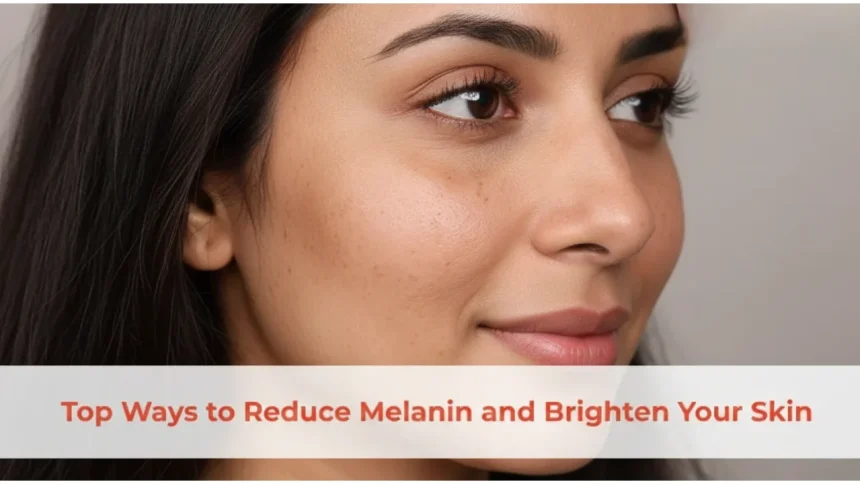
Top Ways to Reduce Melanin and Brighten Your Skin
Melanin is the natural pigment that gives skin its colour. It also protects the skin from harmful sun rays. The first step toward managing melanin levels is understanding why the body produces it. When melanin increases more than needed, it can cause dark spots, uneven skin tone, and hyperpigmentation.
- Top Ways to Reduce Melanin and Brighten Your Skin
- How to Stop Melanin Production Safely — What Science Says
- Lifestyle Habits That Help Control Melanin Production
- Foods That Decrease Melanin Levels Naturally
- Medical Treatments to Reduce Melanin (Peels, Lasers & Creams)
- Precautions and Side Effects of Reducing Melanin
- Conclusion
- FAQs: Reducing Melanin & Skin Brightening
- 1. What causes excess melanin in the skin?
- 2. Can melanin be reduced naturally?
- 3. Is it safe to reduce melanin in the skin?
- 4. Which foods help reduce melanin production?
- 5. Do skin treatments like peels or lasers reduce melanin?
- 6. What are the side effects of reducing melanin?
- 7. How long does it take to see results from melanin reduction?
Many people look for ways to reduce melanin and brighten their skin. Some choose natural options like food and lifestyle changes, while others prefer medical treatments such as peels, lasers, or creams. Each method works differently depending on skin type, daily habits, and long-term care.
This article by TryForHealth explains how melanin production can be controlled safely. It covers daily habits, food choices, medical treatments, and safety concerns using simple and easy language.
How to Stop Melanin Production Safely — What Science Says
Science shows that melanin production can be managed, but it should not be stopped completely. Melanin protects the skin, so reducing it too much may cause harm. Safe methods focus on lowering excess melanin while keeping the skin healthy.
Natural care, sun protection, and proper treatments help reduce dark pigmentation without damaging the skin. Choosing safe options is important because harsh products may cause irritation or long-term skin problems.
Lifestyle Habits That Help Control Melanin Production
Daily habits play a major role in controlling melanin. Regular use of sunscreen helps protect the skin from sun exposure, which is one of the main reasons for increased melanin production. Even on cloudy days, sun protection helps prevent skin darkening.
Gentle exfoliation supports the removal of dead skin cells and helps reveal brighter skin over time. Avoiding long sun exposure and following a simple skin care routine can help keep melanin levels balanced.
Foods That Decrease Melanin Levels Naturally
Certain foods help reduce melanin production naturally. Foods rich in vitamin C support the process by slowing down the enzyme responsible for melanin formation. Green tea contains natural compounds that help control pigment buildup in the skin.
Foods that contain glutathione, such as spinach, broccoli, and avocados, help reduce pigmentation caused by free radicals. Turmeric is also known to support skin brightness due to its natural properties. Including these foods regularly may help improve skin tone over time.
Medical Treatments to Reduce Melanin (Peels, Lasers & Creams)
Some people choose medical treatments to reduce melanin. Skin creams used for pigmentation work by slowing melanin formation. Chemical peels help remove pigmented skin layers gradually, which may improve uneven tone.
Laser treatments break down melanin deposits under the skin so the body can remove them naturally. Newer treatment options are also available that aim to reduce pigmentation with fewer side effects. Medical treatments should always be chosen carefully and used with professional guidance.
Precautions and Side Effects of Reducing Melanin
Reducing melanin comes with risks if not done safely. Some skin lightening products may contain harmful ingredients that cause skin irritation, allergies, or long-term damage. Using strong products for a long time may lead to uneven pigmentation or sensitivity.
Lower melanin also means lower natural protection from the sun. This may increase the chance of sun damage, early skin aging, and other skin concerns. Safety should always come before appearance when choosing any treatment.
Unregulated skin lightening products are still available in many places, even though some ingredients are restricted. Reading labels carefully and avoiding unknown products is important.
Conclusion
Managing melanin levels is about balance. Sunscreen remains one of the most effective ways to control excess melanin and protect the skin. Healthy habits, safe treatments, and proper care work best when combined.Skin brightness should never come at the cost of health. Melanin plays an important role in skin protection, and reducing it too much can cause harm. At TryForHealth, the focus is on sharing clear and safe information so readers can make informed choices about skin care.
FAQs: Reducing Melanin & Skin Brightening
1. What causes excess melanin in the skin?
Excess melanin is often caused by sun exposure, hormonal changes, inflammation, or skin damage. These factors trigger the skin to produce more pigment for protection.
2. Can melanin be reduced naturally?
Yes, melanin levels can be managed naturally with sun protection, healthy lifestyle habits, and foods rich in antioxidants like vitamin C and glutathione.
3. Is it safe to reduce melanin in the skin?
Reducing excess melanin can be safe if done carefully. Melanin should not be removed completely, as it protects the skin from sun damage and aging.
4. Which foods help reduce melanin production?
Foods such as citrus fruits, green tea, spinach, broccoli, and turmeric help slow melanin formation and support brighter skin over time.
5. Do skin treatments like peels or lasers reduce melanin?
Chemical peels and laser treatments can reduce pigmentation by targeting excess melanin. These treatments should always be done under professional guidance to avoid side effects.
6. What are the side effects of reducing melanin?
Unsafe products or overuse of treatments may cause irritation, sensitivity, uneven skin tone, or increased risk of sun damage due to reduced natural protection.
7. How long does it take to see results from melanin reduction?
Results vary based on skin type and method used. Natural approaches take longer, while medical treatments may show faster results with proper care.