


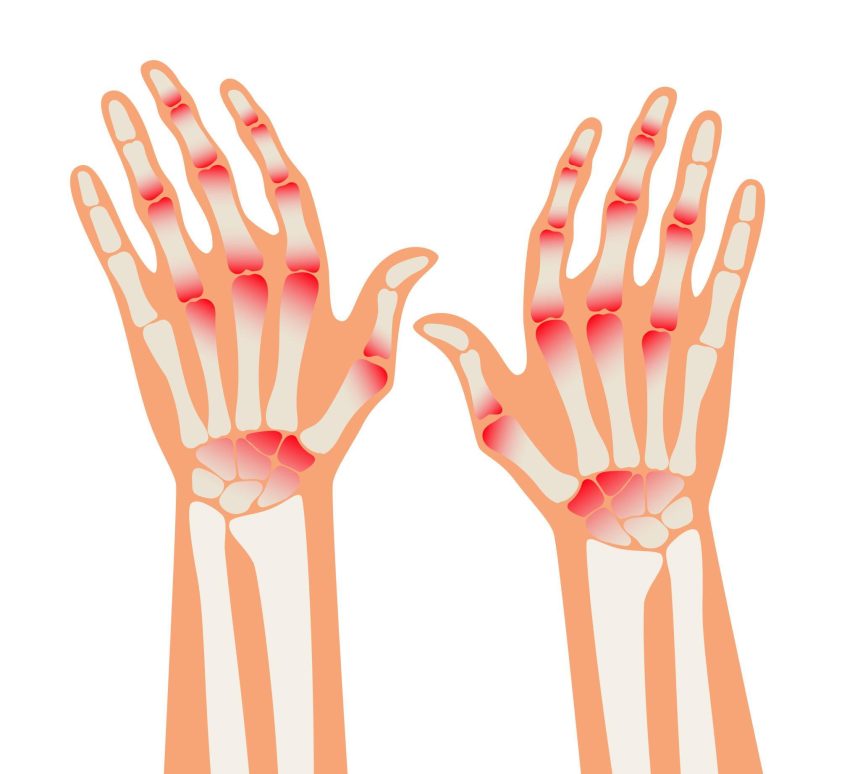
Arthritis is a general name used for conditions that affect the joints and cause pain, stiffness, or swelling.
- What is Rheumatoid Arthritis?
- Symptoms of Rheumatoid Arthritis
- Causes and Risk Factors of Rheumatoid Arthritis
- How Is Rheumatoid Arthritis Diagnosed?
- Treatment Options for Rheumatoid Arthritis
- 1. Medications (Most Important Part)
- 2. Exercise
- 3. Physical Therapy
- 4. Fatigue & Lifestyle Management
- 5. Supportive Devices
- 6. Surgery (Severe Cases)
- Final Note
- Possible Complications
- When to See a Doctor
- For more information, you can refer to:
- Final Thoughts
- FAQ
One of the most common types is osteoarthritis (OA), which happens due to wear and tear of the joints over time. We have already explained OA in detail in our guide on osteoarthritis.
However, not all joint problems are caused by wear and tear. Another important form of arthritis is rheumatoid arthritis (RA), which differs from osteoarthritis. In RA, the body’s immune system mistakenly attacks the joints, leading to inflammation and damage.
In this article, we will understand what Rheumatoid Arthritis is, its symptoms, causes, diagnosis, and treatment options in simple terms.
What is Rheumatoid Arthritis?
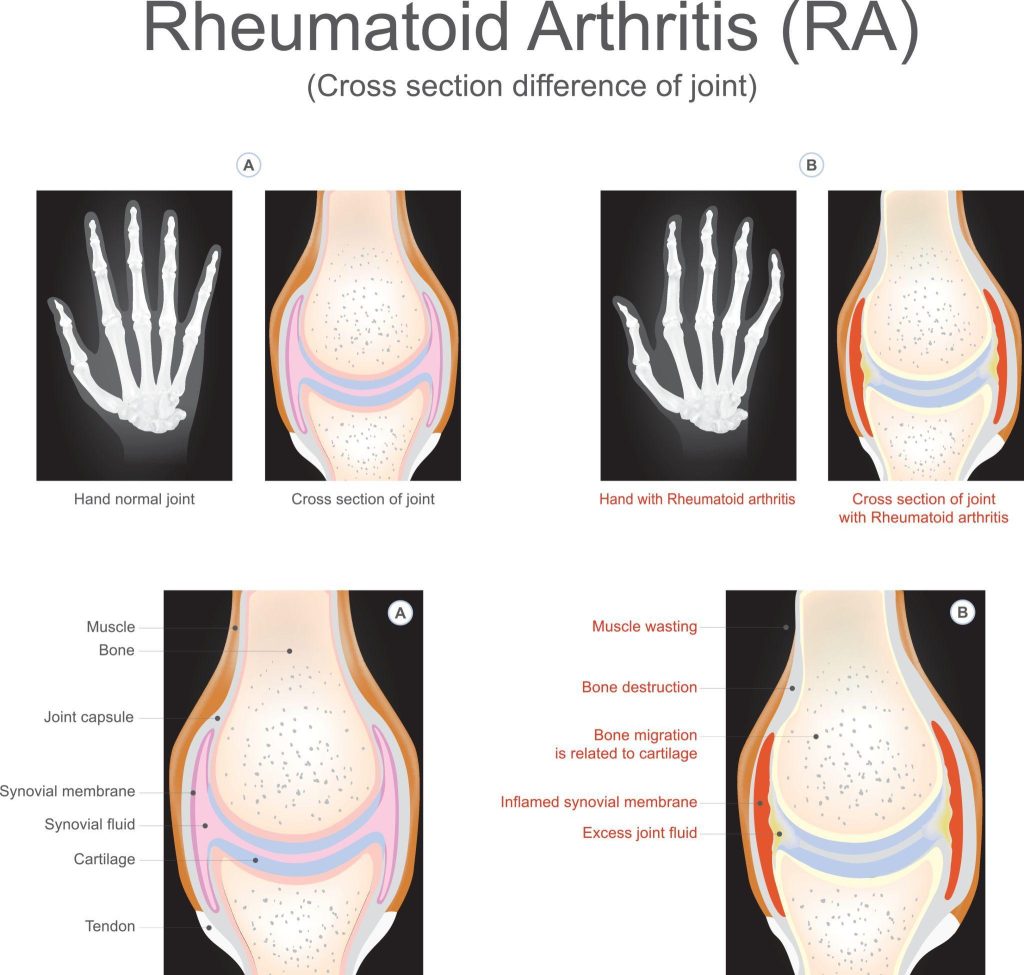
Rheumatoid arthritis (RA) is a long-term autoimmune disease that affects the joints. In this condition, the body’s immune system mistakenly attacks the lining of the joints, leading to inflammation, pain, and swelling.
This ongoing inflammation can damage the joint over time and may also affect how well the joint moves. RA can occur in multiple joints at the same time, often on both sides of the body, such as both hands or both knees.
Unlike osteoarthritis, which develops due to wear and tear, rheumatoid arthritis is caused by an immune system problem inside the body.
Symptoms of Rheumatoid Arthritis
Rheumatoid arthritis causes joint pain, swelling, stiffness, and reduced movement. These symptoms are similar to other joint problems and can affect daily activities like walking, using hands, or climbing stairs.
However, RA has some specific signs that help distinguish it from other conditions. Stiffness is usually worse in the morning and may last longer than 30–60 minutes. It often affects the same joints on both sides of the body, such as both hands or both knees.
Many people also experience fatigue or unusual tiredness that is not related to physical activity. In some cases, joints may feel warm or tender, and more than one joint may be affected at the same time.
Symptoms usually develop slowly and may worsen over time if not treated. Early diagnosis can help manage symptoms and reduce joint damage.
Causes and Risk Factors of Rheumatoid Arthritis
Rheumatoid arthritis is an autoimmune condition, which means it happens when the body’s immune system starts attacking its own healthy tissues, especially the lining of the joints. This leads to inflammation, pain, and swelling over time.
The exact cause of RA is not fully known, but several factors may increase the risk of developing it:
One of the main factors is an abnormal immune response. Instead of protecting the body, the immune system mistakenly targets the joint lining (synovium), which can gradually damage the joints.
Genetics may also play a role. People who have a family history of rheumatoid arthritis or other autoimmune diseases may have a higher risk of developing the condition.
Hormonal factors are also linked with RA, as it is more commonly seen in women than in men, especially in middle age. This suggests that hormonal changes may influence the condition.
Lifestyle and environmental factors can also contribute. Smoking is one of the most well-known risk factors and may increase both the risk and severity of RA. In some cases, long-term exposure to pollution or certain infections may also trigger the immune response.
Rheumatoid arthritis usually develops due to a combination of these factors rather than a single cause.
How Is Rheumatoid Arthritis Diagnosed?
Rheumatoid arthritis is diagnosed through a combination of medical history, physical examination, and tests. Since early symptoms can be similar to other joint problems, doctors usually confirm the condition step by step.
The process begins with understanding the patient’s medical history. The doctor asks about symptoms such as joint pain, swelling, stiffness, and how long they have been present. Morning stiffness and family history of autoimmune diseases are also important clues.
Next, a physical examination is done to check the affected joints. The doctor looks for swelling, tenderness, warmth, and how many joints are involved. They also check how well the joints are moving and whether symptoms are present on both sides of the body.
To support the diagnosis, blood tests are often recommended. These tests help detect inflammation in the body and specific markers like Rheumatoid Factor (RF) and Anti-CCP antibodies, which are commonly linked with RA.
Imaging tests such as X-rays, ultrasound, or MRI scans may also be used. These help in understanding joint damage, inflammation, and any structural changes inside the joints.
In some cases, doctors may also rule out other conditions like osteoarthritis or infections before confirming rheumatoid arthritis.
Early diagnosis is important because it helps in starting treatment early and reducing the risk of long-term joint damage.
Treatment Options for Rheumatoid Arthritis
RA is a long-term autoimmune condition. Treatment focuses on controlling the immune system, reducing inflammation, and preventing joint damage. Early treatment is important to slow down disease progression and improve quality of life.
1. Medications (Most Important Part)
Medicines play a key role in RA treatment. Doctors often prescribe pain relievers to manage symptoms, but more importantly, they use DMARDs (Disease-Modifying Antirheumatic Drugs). These medicines help control the overactive immune system, reduce inflammation, and slow down joint damage.
2. Exercise
Gentle exercise such as walking, stretching, and light movement helps maintain joint flexibility. It also reduces stiffness, especially in the morning, without putting extra strain on inflamed joints.
3. Physical Therapy
A physiotherapist helps design safe exercises that improve movement and reduce pain. Therapy is adjusted according to inflammation levels and joint condition.
4. Fatigue & Lifestyle Management
Fatigue (tiredness) is common in RA. Proper rest, balanced daily activity, and a healthy lifestyle help manage energy levels. Maintaining a healthy weight also supports overall joint health.
5. Supportive Devices
Braces, splints, or walking aids may help reduce pressure on painful joints and improve stability during movement.
6. Surgery (Severe Cases)
If joint damage becomes severe and other treatments are not effective, surgery such as joint replacement may be considered to restore movement and reduce pain.
Final Note
Treatment for RA is different for every person. A healthcare professional can suggest the most suitable treatment based on symptoms and overall health.
Possible Complications
If rheumatoid arthritis is not treated properly, ongoing inflammation may gradually damage the joints and affect movement over time. This can make everyday activities more difficult and may reduce overall quality of life.
In some cases, RA may also affect other parts of the body, including the lungs, heart, eyes, and blood vessels. However, not everyone develops these complications.
Early diagnosis and proper treatment can help control inflammation, protect the joints, and reduce the risk of long-term complications.
When to See a Doctor
You should see a doctor if joint pain, swelling, or stiffness continues for a long time or slowly gets worse. Morning stiffness or difficulty in moving joints should also not be ignored.
It is also a good idea to get medical advice if symptoms start affecting daily activities like walking, using hands, or getting up from a chair.
Early check-up can help in better management of rheumatoid arthritis and may reduce the risk of joint damage over time.
For more information, you can refer to:
- NHS (UK) – Rheumatoid Arthritis
https://www.nhs.uk/conditions/rheumatoid-arthritis/ - Mayo Clinic – Rheumatoid Arthritis
https://www.mayoclinic.org/diseases-conditions/rheumatoid-arthritis/ - Arthritis Foundation – Rheumatoid Arthritis
https://www.arthritis.org/diseases/rheumatoid-arthritis
Final Thoughts
Rheumatoid arthritis is a chronic condition that can affect the joints and make everyday activities more challenging. Although there is no cure, early diagnosis and proper treatment can help control symptoms, reduce inflammation, and slow down joint damage.
If you notice ongoing joint pain, swelling, stiffness, or unusual fatigue, it is important to speak with a healthcare professional. With the right treatment plan, healthy lifestyle habits, and regular medical care, many people with rheumatoid arthritis are able to stay active and maintain a good quality of life.
Medical Disclaimer:
The information in this article is for general educational purposes only. For diagnosis, treatment, or medical advice, please consult a qualified healthcare professional.
FAQ
Q1: Is RA a serious condition?
RA can become serious if left untreated because ongoing inflammation may damage the joints over time. Early treatment can help manage symptoms and reduce complications.
Q2: Can rheumatoid arthritis be cured?
There is currently no cure for rheumatoid arthritis, but treatment can help control symptoms, reduce inflammation, and slow joint damage.
Q3: What is the difference between RA and osteoarthritis?
RA is an autoimmune disease in which the immune system attacks the joints, while osteoarthritis develops due to wear and tear of joint cartilage over time.
Q4: Can exercise help with joint stiffness?
Yes. Gentle activities such as walking, stretching, and low-impact exercises may help improve flexibility and reduce stiffness.
Q5: Which joints are commonly affected first?
The condition often affects smaller joints first, especially those in the hands, wrists, and feet.