



This guide explains common acupressure points related to digestive health, possible benefits, safety aspects, and supportive remedies, prepared by the wellness content team at TryForHealth.
Acupressure belongs to traditional Chinese medicine and focuses on applying pressure on specific body points. This practice aims to support energy flow and digestive balance. Many people use acupressure for relief from gas, bloating, and abdominal discomfort.
This guide explains common acupressure points related to digestive health, possible benefits, safety aspects, and supportive remedies.
About acupressure points
Traditional Chinese medicine follows energy pathways known as meridians. Each meridian relates to a specific organ system. Acupressure points lie along these pathways and stimulation may support natural body balance.
Massage therapy applied on selected points may assist digestive movement, gas release, and abdominal comfort. Many points influence stomach, intestinal, and abdominal function.
Health-focused platforms such as TryForHealth emphasize balanced lifestyle approaches that combine traditional practices with modern health awareness.
Acupressure points for gas and bloating
Several acupressure points relate directly to digestive comfort. Gentle pressure applied through massage may help relieve trapped gas and reduce bloating.
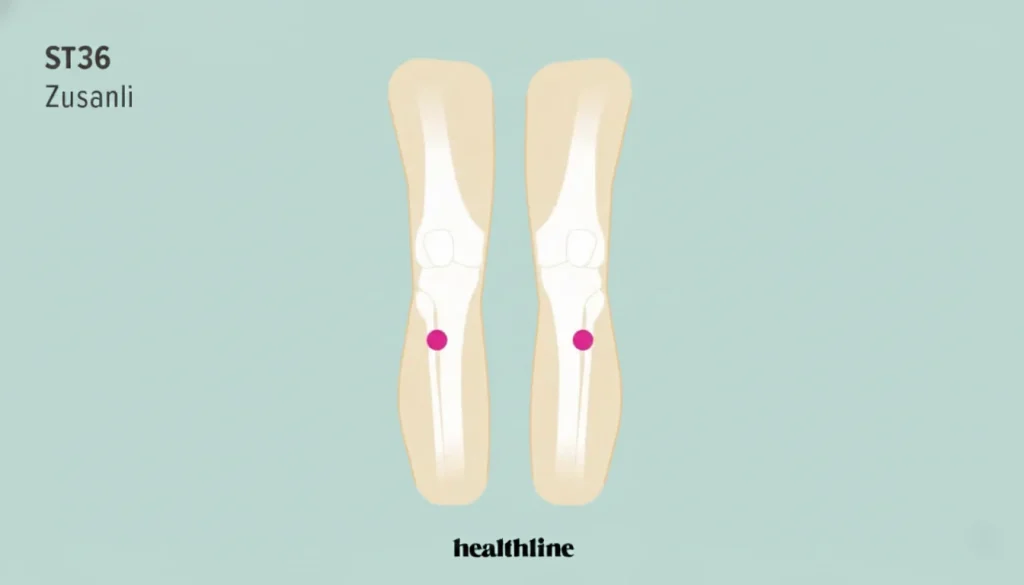
Zusanli (ST36)
Zusanli, also called Stomach 36, sits along the stomach meridian. This point relates to upper abdominal organs, nervous system balance, and overall energy support.
Point location remains roughly three inches below the kneecap, slightly toward the outer leg edge. Circular massage using gentle yet firm pressure for two to three minutes supports digestive balance. Both legs should receive equal attention.
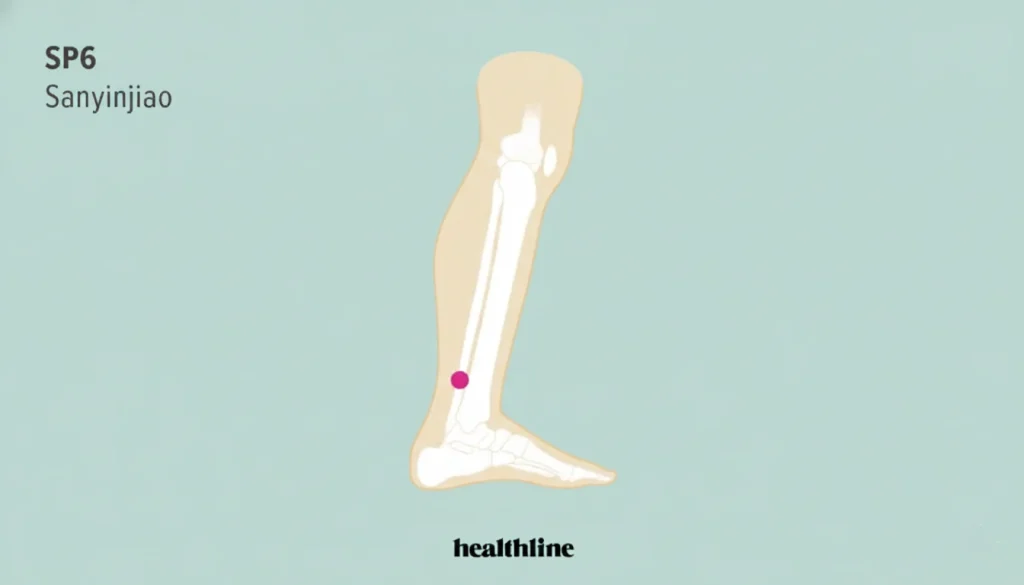
Sanyinjiao (SP6)
Sanyinjiao, also known as Spleen 6, belongs to the spleen meridian and influences lower abdominal organs. This point also connects with nervous system regulation.
Location rests above the inner ankle bone along muscle tissue. Gentle circular massage for two to three minutes supports digestive comfort. Both sides should receive similar pressure.
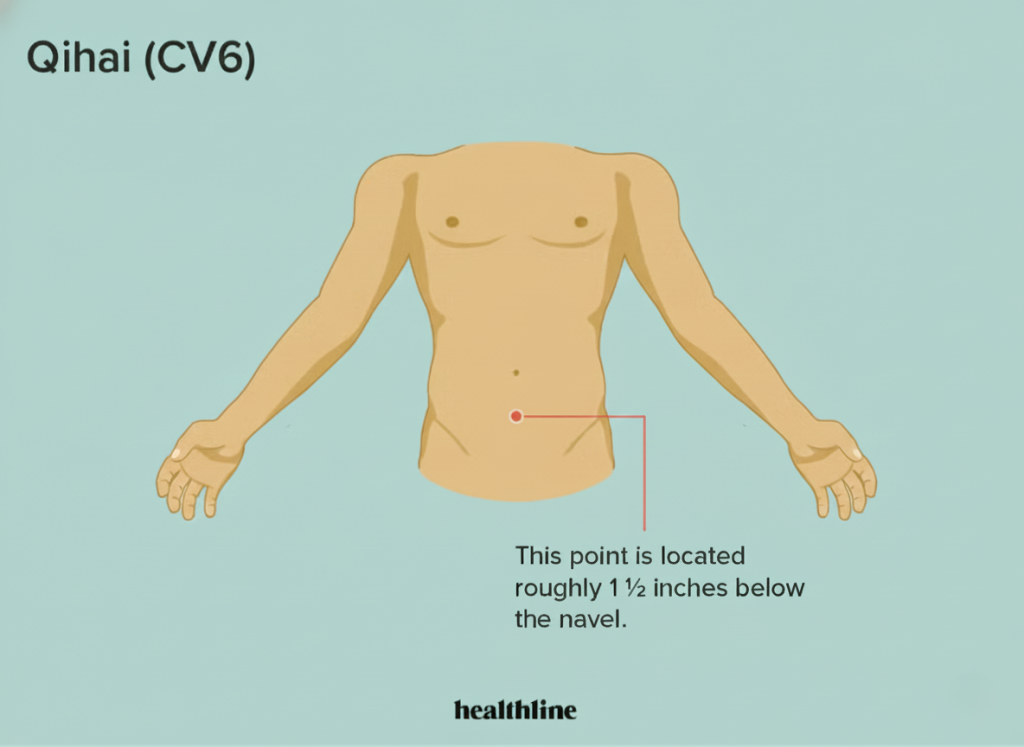
Qihai (CV6)
Qihai, also referred to as Conception Vessel 6, supports lower abdominal organs and overall vitality.
Location lies below the navel along the body midline. Gentle circular pressure using two to three fingers for several minutes may support digestive movement. Sensitivity remains common, so pressure should remain light.
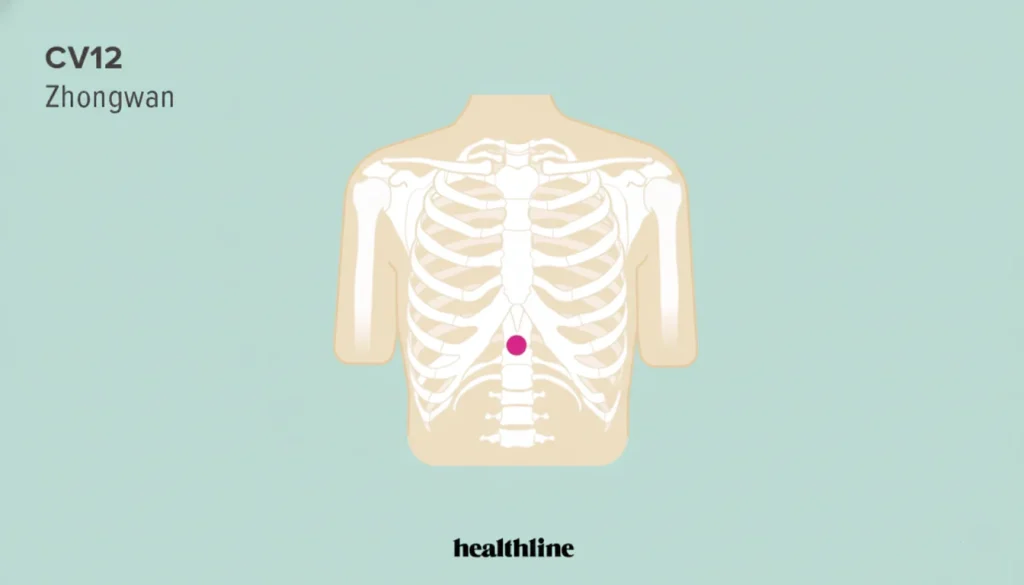
Zhongwan (CV12)
Zhongwan, also called Conception Vessel 12, influences upper abdominal organs and digestive balance.
This point rests above the navel. Circular massage using gentle pressure for two to three minutes may support stomach comfort and digestive flow.
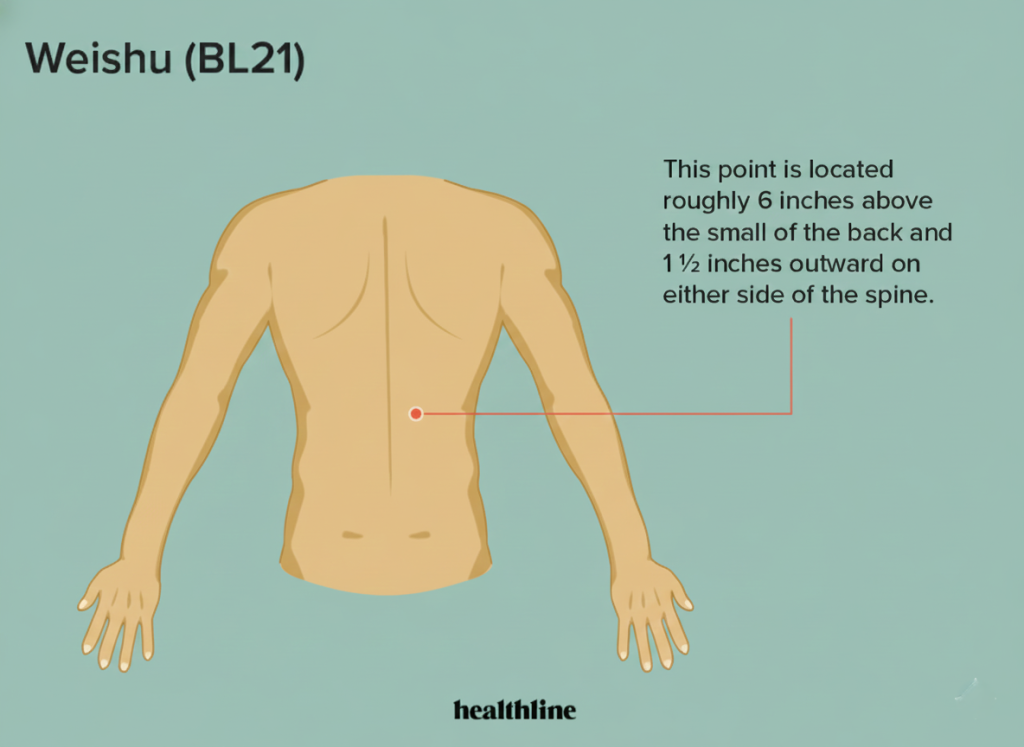
Weishu (BL21)
Weishu, also known as Urinary Bladder 21, supports gastrointestinal function and abdominal comfort.
Location lies along the lower back area near the spine. Gentle pressure applied for one to two minutes may help digestive discomfort. Massage should remain avoided for people with spinal weakness or disc issues.
Are acupressure points effective?
Research focused on acupressure remains limited. Most studies examine acupuncture rather than pressure therapy. Some clinical observations suggest potential benefits for digestive discomfort such as gas, bloating, and constipation.
Small research studies have shown improvement across bowel movement patterns and gas release following regular acupressure practice. Despite these findings, broader research remains necessary to confirm long-term benefits.
Potential downsides
Acupressure remains generally safe. People with bleeding disorders, chronic pain, or pregnancy should consult healthcare professionals before attempting pressure therapy. Excess pressure may cause bruising or soreness.
Alternative remedies
Digestive comfort may also benefit from lifestyle adjustments.
For stomach pain
Food intolerance awareness, slower eating pace, and hydration may support digestion. Gentle abdominal movement also supports bowel activity.
For constipation
Fiber intake, probiotic foods, and adequate fluid consumption support bowel regularity. These approaches may complement acupressure therapy.
When to see a doctor
Chronic gas, bloating, or abdominal pain may signal underlying health conditions. Medical evaluation helps rule out infection, intolerance, or digestive disorders. Professional guidance supports safe treatment planning.
TryForHealth encourages seeking medical advice when digestive discomfort persists or interferes with daily routine.
Takeaway
Acupressure holds a long history across digestive health support. More than twenty-eight pressure points relate to abdominal comfort and digestive balance. Gas, bloating, and stomach pain may respond to supportive pressure therapy when practiced carefully.
People interested should consult healthcare professionals before adding acupressure to care routines.
Key Takeaways
- Over twenty-eight acupressure points may support digestive comfort
- Some evidence suggests benefit for gas and bloating
- Medical guidance remains important for chronic symptoms
FAQs for acupressure
Can acupressure help stomach pain?
Acupressure may support digestive comfort through pressure applied on abdominal-related points.
Are acupressure points safe?
Gentle pressure remains generally safe, though medical guidance helps prevent risk.
How often may acupressure be practiced?
Short daily sessions often support digestive balance.
Does acupressure replace medical treatment?
Acupressure supports care but does not replace professional treatment.