


Anal fissures are a common yet uncomfortable condition. Although they are usually not serious, they can affect people of all ages—from infants and children to adults. Fissures are often linked with constipation, which is why they are frequently seen in young children and individuals with digestive issues.
- 1. Papaya
- 2. Lemon
- 3. Bananas
- 4. Oatmeal
- 5. Turmeric
- 6. Ghee
- 7. Milk
- 8. Probiotic-Rich Foods
- 9. Legumes
- Other Helpful Ways to Support Fissure Healing
- The Bottom Line
- Frequently Asked Questions
- Q1.What causes anal fissures?
- Q2.Which foods may support fissure healing?
- Q3.How does fiber help in fissure recovery?
- Q4.Can constipation delay fissure healing?
- Q5.How long do anal fissures usually take to heal?
- Q6.Can fissures heal without medication?
- Q7.Are probiotic foods helpful for fissures?
- Q8.When should medical advice be considered for fissures?
- Q9.Does tryforhealth provide nutrition-based guidance for fissures?
An anal fissure is a small tear in the lining of the anus that may cause pain, burning, or bleeding during bowel movements.
In most cases, fissures develop due to passing hard or dry stools. Other contributing factors include chronic constipation, excessive straining, inflammatory bowel disease, and prolonged diarrhea. In rare situations, fissures may be associated with underlying medical conditions.
At tryforhealth, we focus on evidence-based nutrition and lifestyle guidance to support digestive health. While most fissures heal within 4–6 weeks, dietary changes and healthy habits can play a supportive role in easing discomfort and promoting healing.
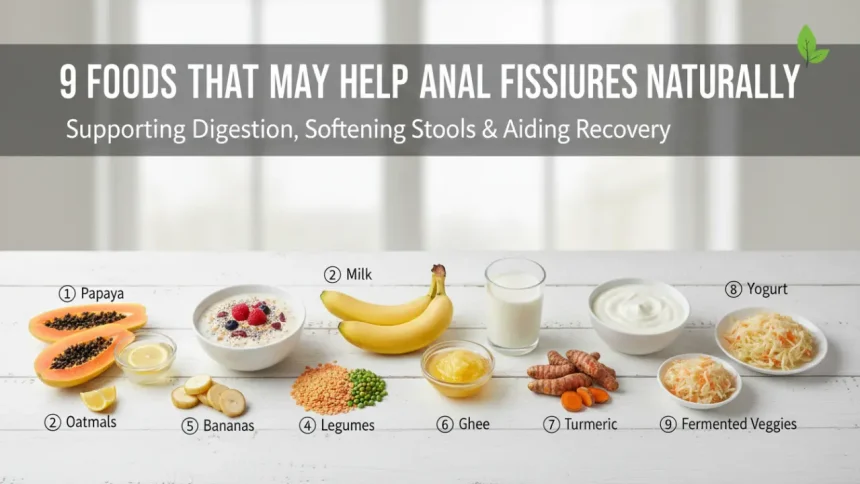
Below are 9 foods that may help heal fissures naturally by improving digestion, softening stools, and supporting tissue repair.
1. Papaya
Papaya contains natural digestive enzymes, such as papain, which may help improve digestion and reduce constipation. Research suggests that papaya-based supplements can help relieve bloating and improve bowel movements in people with digestive disorders.
Papaya is also highly hydrating, consisting of nearly 88% water, which helps prevent dry stools—a major cause of fissures. However, excessive intake should be avoided, as papaya is rich in fiber. High fiber consumption in sensitive individuals may cause digestive discomfort.
2. Lemon
Lemons are an excellent source of vitamin C, a nutrient essential for collagen production and tissue repair. Vitamin C plays a key role in wound healing, and deficiency may delay recovery.
Drinking warm water with lemon can also support hydration and digestion, helping to prevent constipation. Since vitamin C is water-soluble and not stored in the body, regular intake is important.
3. Bananas
Bananas are a gentle, fiber-rich fruit that may help relieve constipation. Studies show that increasing dietary fiber often leads to softer stools and more regular bowel movements.
One medium banana provides about 3 grams of fiber. Ripe bananas are preferable, as unripe bananas contain resistant starch that may worsen constipation.
4. Oatmeal
Oatmeal is rich in soluble fiber, which helps stools retain moisture and become easier to pass. This reduces strain during bowel movements—an important factor in fissure healing.
Oats also contain compounds known as avenanthramides, which have anti-inflammatory properties. Reducing inflammation may support the natural healing process of anal fissures.
5. Turmeric
Turmeric contains curcumin, a compound known for its anti-inflammatory and antioxidant effects. When combined with black pepper, curcumin absorption improves significantly.
Some early studies suggest turmeric may support wound healing, but evidence for its direct use in fissures is still limited. Medical experts generally advise against suppository use, as it may irritate sensitive tissues.
6. Ghee
Ghee is commonly used in Ayurvedic practices to support digestion. It contains butyric acid, which may help improve gut health and bowel regularity.
Anecdotal evidence suggests that consuming a small amount of ghee with warm milk or water may ease constipation. However, ghee is high in calories and saturated fat, so moderation is essential.
7. Milk
Milk is another traditional remedy often suggested for fissures. Higher-fat milk contains conjugated linoleic acid (CLA), which may influence inflammatory responses.
However, milk does not contain fiber, and some individuals may experience worsened constipation or sensitivity to milk proteins. Its effectiveness varies, and results depend on individual tolerance.
8. Probiotic-Rich Foods
Probiotic foods support gut health by promoting balanced digestion and smoother bowel movements. Fermented dairy products like curd and yogurt with live cultures may help reduce constipation.
Other probiotic-rich options include fermented vegetables and traditional fermented foods. Regular intake may help maintain digestive balance and reduce strain during bowel movements.
9. Legumes
Legumes such as lentils, chickpeas, and beans are rich in fiber and zinc, both essential for healing. Zinc plays a key role in tissue repair, while fiber helps soften stools.
Soaking and cooking legumes properly improves mineral absorption and reduces digestive discomfort.
Other Helpful Ways to Support Fissure Healing
In addition to dietary changes, the following habits may help speed recovery:
- Using stool softeners if recommended
- Taking warm sitz baths for 10–15 minutes
- Increasing daily water intake
- Using fiber supplements like psyllium husk
- Staying physically active
- Wearing loose, breathable cotton underwear
If fissures do not heal within 8 weeks, they may become chronic. At this stage, medical evaluation is important to rule out underlying conditions.
The Bottom Line
Certain foods and lifestyle modifications may help fissures heal faster and reduce discomfort. A diet rich in fiber, vitamin C, zinc, and probiotics—along with proper hydration—can support digestive health and healing.
tryforhealth, we encourage a balanced, personalized approach to nutrition and wellness. While food can support recovery, persistent or severe symptoms should always be discussed with a healthcare professional.
Frequently Asked Questions
Q1.What causes anal fissures?
Anal fissures usually develop due to passing hard or dry stools. Constipation, straining during bowel movements, and digestive disorders are common contributing factors.
Q2.Which foods may support fissure healing?
Fiber-rich foods, hydrating fruits, probiotic foods, and nutrients such as vitamin C and zinc may support fissure healing by improving digestion and stool softness.
Q3.How does fiber help in fissure recovery?
Fiber helps stools retain moisture, making bowel movements easier and reducing pressure on the anal lining, which supports natural healing.
Q4.Can constipation delay fissure healing?
Yes, ongoing constipation can worsen fissures and delay recovery by repeatedly stressing the anal tissue.
Q5.How long do anal fissures usually take to heal?
Most anal fissures heal within four to six weeks with proper dietary support, hydration, and lifestyle adjustments.
Q6.Can fissures heal without medication?
Many acute fissures heal with dietary changes, hydration, and stool regulation. Chronic or severe cases may require medical treatment.
Q7.Are probiotic foods helpful for fissures?
Probiotic foods may help maintain digestive balance and regular bowel movements, which can reduce strain and discomfort.
Q8.When should medical advice be considered for fissures?
Medical consultation is recommended if fissure symptoms persist beyond eight weeks or if pain and bleeding increase.
Q9.Does tryforhealth provide nutrition-based guidance for fissures?
Yes, tryforhealth provides nutrition and lifestyle information focused on supporting digestive health and recovery.