

Winter Dandruff – Causes, Prevention & Best Treatments
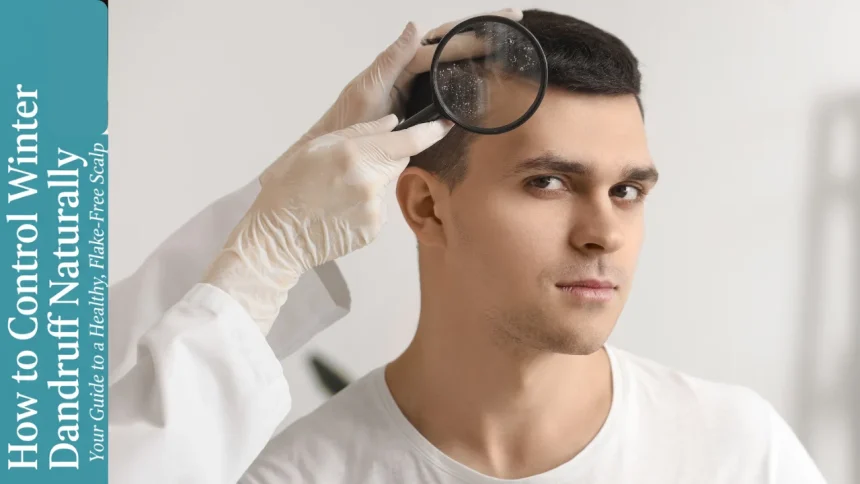
Winter brings comfortable sweaters and warm drinks, but it also brings one of the most common seasonal concerns: winter dandruff. As temperatures drop, the scalp loses moisture more quickly, making it prone to dryness, irritation, itching, and flaking. Unlike regular fungal dandruff, which is mainly caused by the overgrowth of yeast, winter dandruff is usually linked to environmental dryness, hot showers, and reduced natural oil production. If your scalp becomes tight, flaky, or itchy during cold weather, understanding the reason behind it can help you manage it effectively.
Understanding Winter Dandruff
Winter dandruff refers to dry, white flakes that appear when the scalp’s moisture barrier becomes weak due to harsh cold conditions. The combination of low humidity, indoor heaters, and steaming hot showers strips away the scalp’s natural oils. This leads to dryness and fine flakes that easily fall off when you comb or touch your hair. Many people mistake winter dandruff for fungal dandruff, but the two look quite different. Winter flakes are usually small and powdery, while fungal dandruff tends to create thicker, yellowish flakes that appear oily. Identifying the correct type is important because the treatment approach varies.
Why Winter Makes Dandruff Worse
Cold weather naturally reduces moisture levels in the air, and this dryness pulls hydration out of your scalp. Indoor heating systems intensify this effect by creating an extremely dry environment at home. People also tend to take hotter showers during winter, which further removes essential oils from the scalp and disrupts its protective layer. Another factor is reduced hair washing, which can cause dirt, oil, and dead skin cells to accumulate and contribute to flaking. Those who already have skin conditions like eczema, psoriasis, or seborrheic dermatitis may notice their symptoms worsening during winter. Even using harsh shampoos or heavy styling products can irritate the scalp more in cold weather.
Common Symptoms of Winter Dandruff
Winter dandruff usually appears as soft, white flakes that fall easily from the scalp. The skin on your head may feel dry or tight, and you might notice mild redness or itching, especially after a hot shower. Some people also see flakes on their shoulders, clothes, and combs more frequently during cold weather. The scalp may feel sensitive to touch, and irritation tends to worsen in dry indoor environments. If the flakes become oily, yellowish, or thick, it may be a sign of seborrheic dermatitis rather than simple winter dryness.
How Winter Dandruff Differs from Regular Dandruff
While winter dandruff occurs mainly due to dryness, regular fungal dandruff forms because of excess oil production and the growth of the yeast Malassezia. Winter dandruff produces small, powder-like flakes, whereas fungal dandruff forms greasy, sticky scales. The scalp feels dry and tight during winter dandruff but often feels oily if fungal activity is involved. This difference is crucial because winter dandruff responds best to moisturizing and scalp hydration, while fungal dandruff requires antifungal treatment.
Preventing Winter Dandruff
The best way to prevent winter dandruff is to maintain moisture in both the scalp and the surrounding environment. Switching to a mild, moisturizing shampoo helps preserve the natural oils that protect your scalp. Regular oiling with warm coconut, almond, or olive oil replenishes moisture and improves skin elasticity. Using lukewarm water instead of very hot water also prevents excessive dryness. Since heaters reduce indoor humidity, placing a humidifier in your room can help maintain a comfortable moisture level that benefits your scalp. Covering your hair with a cap or scarf when going outside adds an extra layer of protection from cold winds. Gentle scalp exfoliation once a week can remove dead skin and reduce flaking, and maintaining a nutrient-rich diet supports overall scalp health. Drinking adequate water, even in cold weather, ensures the scalp remains hydrated from within.
Effective Treatments for Winter Dandruff
Treating winter dandruff generally involves restoring moisture and improving scalp health. Deep conditioning with hydrating hair masks once a week delivers essential nutrients and helps calm irritation. Aloe vera gel can soothe the scalp and reduce redness without making the hair greasy. Tea tree oil, when diluted with a carrier oil, provides natural antimicrobial benefits and reduces inflammation. Avoiding blow-drying on high heat also protects the scalp’s moisture barrier. Those who frequently use chemical styling products should reduce usage during winter, as buildup can irritate the scalp further.
If fungal dandruff is also present, anti-dandruff shampoos containing ingredients like ketoconazole, zinc pyrithione, or selenium sulfide may be recommended. These should be used only when necessary and according to instructions.
When to See a Doctor
Medical advice becomes important if the flakes are persistent, severe, or accompanied by redness, swelling, or pain. Yellow or oily flakes that stick to the scalp often indicate seborrheic dermatitis and require professional treatment. Excessive hair fall, continuous itching, or symptoms that do not improve after two to three weeks of home care should also be evaluated by a dermatologist. Chronic or recurring dandruff may be linked to underlying skin conditions, and early treatment prevents worsening of symptoms.
Conclusion
Winter dandruff is a common seasonal issue, but with the right care, it is completely manageable. Understanding the difference between dry winter dandruff and regular fungal dandruff is essential for choosing the correct treatment. Simple lifestyle habits — such as gentle hair care, proper hydration, and moisture-based routines — can significantly improve scalp health during cold months. Platforms like TryForHealth offer helpful guidance on managing scalp problems naturally and effectively, making it easier to maintain healthy hair throughout the winter season.
FAQs about dandruff in winter
1. Why does dandruff increase in winter?
Because cold air and indoor heating reduce moisture, causing dryness and flaking. Hot showers and less frequent washing also worsen it.
2. How can I stop winter dandruff quickly?
Use a gentle moisturizing shampoo, oil your scalp, avoid hot water, and use a humidifier indoors. These steps help reduce flakes within days.
3. Does winter dandruff cause hair fall?
Mild winter dandruff doesn’t directly cause hair fall, but severe itching and dryness may weaken roots and increase shedding.
4. Which oil is best for winter dandruff?
Coconut, almond, and olive oil are excellent for restoring moisture and calming the scalp in winter.5. Can fungal dandruff also worsen in winter?
Yes. Reduced washing and increased oil buildup can support fungal growth, leading to sticky flakes and itching.